
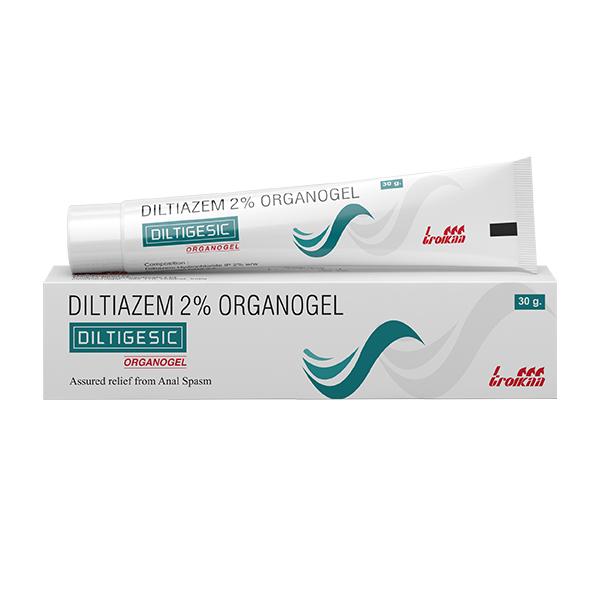
An Introduction to Diltiazem Zalf
Diltiazem is a calcium channel blocker with several established medical uses. In oral forms, it may be prescribed for cardiovascular conditions including hypertension and angina. In topical formulations, it can be used under medical supervision for anal fissures. The word “zalf” refers to an ointment-type preparation, making the term diltiazem zalf particularly relevant when discussing topical treatment.
An anal fissure is a tear in the delicate tissue around the anus. The condition can be surprisingly painful because the internal sphincter muscle may tighten in response to the injury. This increased muscle tension can contribute to reduced blood supply and make healing more difficult.
Topical diltiazem is designed to address this muscle tension. By helping the anal sphincter relax, it may reduce pressure and create more favourable conditions for healing. NHS patient information identifies diltiazem cream or ointment as a treatment option for anal fissures.
Understanding the purpose of the medicine is useful because topical diltiazem is not simply another general-purpose skin ointment. It is a pharmacological treatment that should be used according to professional instructions.
The Relationship Between Diltiazem and Anal Fissures
Anal fissures commonly occur after trauma to the anal canal, particularly when hard stools or constipation are involved. Persistent diarrhoea can also contribute. The resulting tear may cause sharp pain during bowel movements and bright red blood on toilet paper or the surface of stool.
After a fissure develops, the internal sphincter can become excessively tight. This creates a cycle in which pain causes muscle spasm, muscle spasm increases pressure, and increased pressure can interfere with healing.
Topical calcium channel blockers are intended to interrupt part of this cycle. Diltiazem relaxes smooth muscle and can lower sphincter pressure. The American Society of Colon and Rectal Surgeons recognizes topical calcium channel blockers as an effective nonsurgical approach for chronic anal fissures, with generally fewer headache-related problems than topical nitrates.
This mechanism explains why the treatment can be useful even though the medicine is not primarily an analgesic. The goal is to support healing rather than simply hide symptoms.
Application and Treatment Duration
The exact instructions for using diltiazem zalf should come from the prescriber or pharmacist. Different preparations can have different concentrations, bases, application instructions, and storage requirements.
Clinical patient information commonly describes topical diltiazem being used twice daily. NHS guidance states that treatment for an anal fissure generally lasts approximately six to eight weeks, although individual prescriptions may differ.
Patients should carefully read the supplied medicine information before application. Hands should normally be washed before and after use. A clean finger, disposable glove, or other recommended barrier can be used depending on the instructions supplied with the product.
The medicine should not be applied more frequently than directed. Increasing the amount does not necessarily accelerate healing and may increase the chance of irritation or unwanted effects.
If symptoms improve quickly, patients should still follow the prescribed course unless their healthcare professional advises otherwise. Stopping treatment too early may allow an incompletely healed fissure to reopen.
Possible Side Effects and Individual Safety
Like other medicines, topical diltiazem can produce unwanted effects. Some are local, while others may occur because a portion of the medicine enters the bloodstream.
Local itching, burning, soreness, or irritation can occur around the anal area. Headache and dizziness have also been reported. Some patients may experience light-headedness, particularly when moving from sitting or lying down to standing.
The severity of symptoms matters. Mild irritation may sometimes be manageable, but persistent or significant symptoms should be discussed with a healthcare professional.
People using other medicines should tell their doctor or pharmacist about them. This is especially important when medicines affecting blood pressure, heart rhythm, or cardiovascular function are involved.
Pregnant or breastfeeding patients should also discuss treatment with a healthcare professional. Available specialist guidance indicates that topical diltiazem may be used during breastfeeding for anal fissures, but individual circumstances still need professional assessment.
The Importance of Soft Bowel Movements
One of the most important parts of anal fissure management is reducing trauma during bowel movements. Even an effective medicine may have difficulty supporting healing if hard stools repeatedly injure the same area.
Fibre can help produce softer, more manageable stools. Vegetables, fruit, whole grains, and other fibre-rich foods can contribute to an appropriate dietary pattern. Adequate fluid intake is also important.
People should avoid excessive straining and should not repeatedly ignore the natural urge to have a bowel movement. Regular physical activity may also support healthy bowel function. NHS information recommends adequate fibre, hydration, and regular exercise as part of lifestyle management for anal fissures.
Warm baths can provide additional symptomatic relief. A warm sitz bath for around 10 to 20 minutes can be soothing, particularly after a bowel movement.
If lifestyle changes are insufficient, a doctor or pharmacist can discuss whether a suitable fibre supplement or stool-softening medicine is appropriate.
Diltiazem Compared With Other Treatment Approaches
Diltiazem is one of several medical options used for anal fissures. Another topical medicine is glyceryl trinitrate, commonly referred to as GTN or nitroglycerin in some countries. Both treatments can reduce sphincter tension, although their side-effect profiles differ.
Clinical guidance from NHS services describes diltiazem as an alternative to GTN in appropriate patients. Diltiazem can cause local sensitivity or soreness, while GTN is particularly associated with headaches.
Some healthcare systems use diltiazem as a first-line or second-line treatment depending on local prescribing policy. This illustrates why patients should not assume that one treatment is automatically best for everyone.
If medical treatment does not successfully heal a chronic fissure, a specialist may discuss other options. Botulinum toxin injection and surgical treatment can be considered in selected cases.
The appropriate treatment depends on the duration of symptoms, severity, previous treatment, medical history, and clinical findings.
Recognizing When a Fissure Needs Further Evaluation
Not every episode of anal bleeding represents an anal fissure. Haemorrhoids and several other gastrointestinal or colorectal conditions can produce similar symptoms. Persistent bleeding therefore deserves appropriate assessment rather than repeated self-treatment.
Further medical evaluation is particularly important when pain continues despite treatment, bleeding becomes significant, symptoms repeatedly return, or the diagnosis is uncertain.
Chronic fissures can sometimes recur even after successful treatment. Clinical guidance notes that recurrence can occur and that maintaining healthy bowel habits may reduce the risk of another episode.
A healthcare professional can also determine whether the symptoms suggest another underlying condition requiring different treatment.
Using Online Medicine Information Carefully
Search results about diltiazem zalf can include information from pharmacies, medical institutions, patient forums, commercial websites, and research-related websites. These sources do not necessarily have the same level of reliability.
A commercial website such as europeresearchchem.com should not replace professional medical advice or official prescribing information. Consumers should verify the identity, concentration, intended use, and legal status of any medicine through appropriate healthcare and regulatory channels.
The safest approach is to regard online material as background education and use a doctor or pharmacist for individualized decisions.
Diltiazem zalf can be a useful topical treatment for selected anal fissure patients, but its correct use depends on the specific preparation and the patient's circumstances. Understanding its mechanism, following the prescribed instructions, supporting healthy bowel habits, and obtaining medical review when symptoms persist can make treatment safer and more effective.